Nils Ludwig · 17 September 2026
Seasonal Flora Dynamics and Their Implications for Biodiversity in Yarrowara Habitats
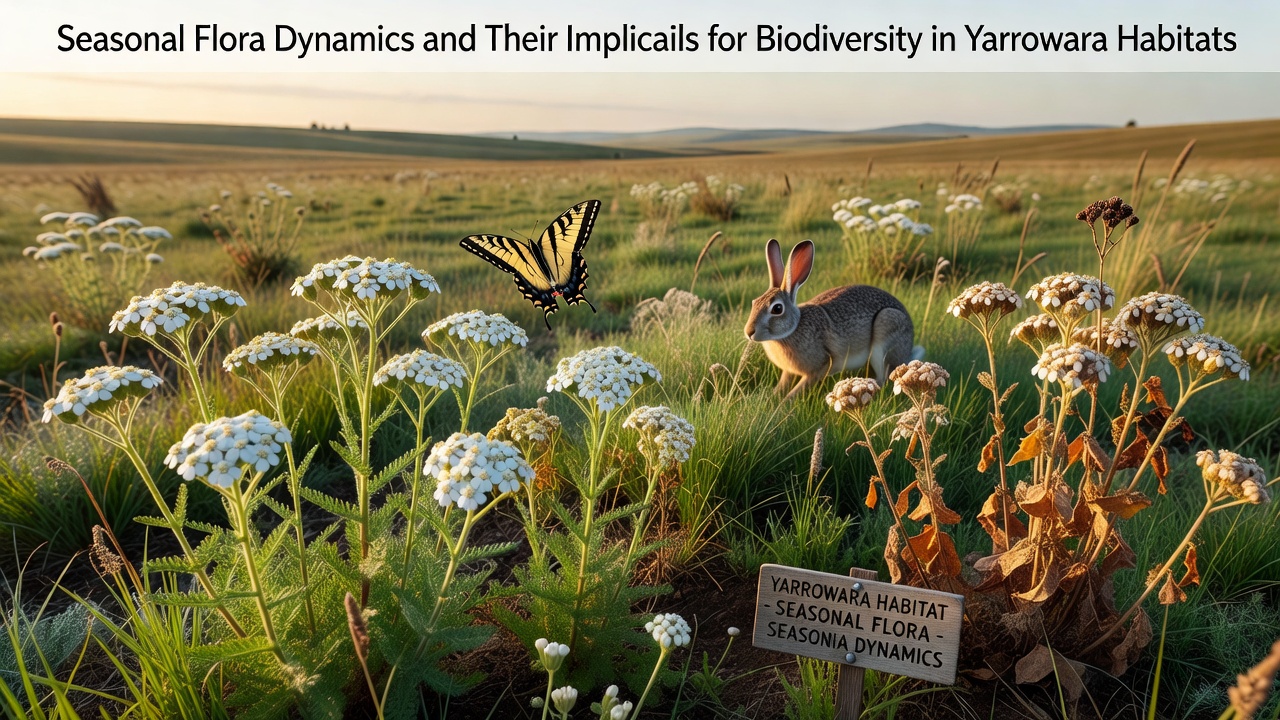
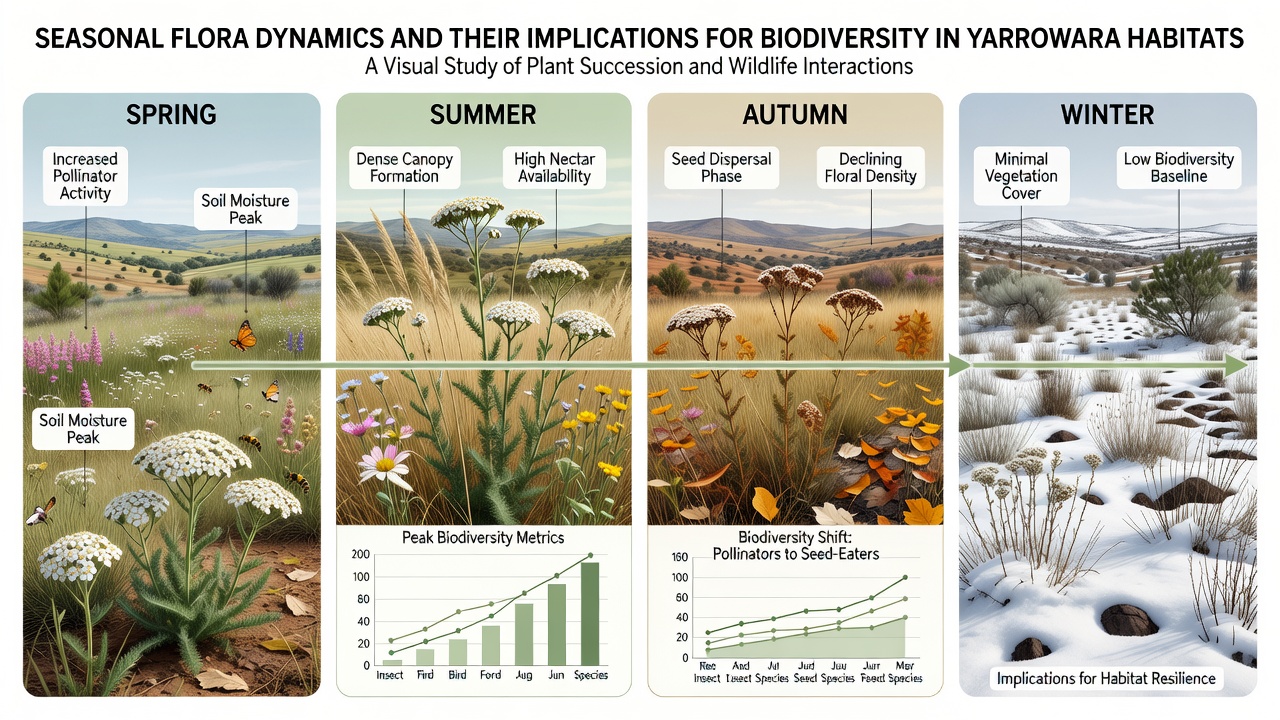
Seasonal flora dynamics in Yarrowara habitats revolve around predictable cycles of growth, flowering, and dormancy that align with shifts in temperature, rainfall, and daylight. These cycles support a range of plant species adapted to the region's variable climate, where winter rains trigger germination and summer drought enforces dormancy. Researchers tracking these patterns note that timing differences among species create staggered resource availability that sustains pollinators and seed dispersers throughout the year.
Key Plant Species and Their Seasonal Roles
Acacia and eucalypt communities dominate many Yarrowara sites, with understory herbs such as kangaroo grass and various daisies emerging after autumn rains. Flowering peaks occur from late winter through spring, when nectar-rich blossoms attract insects and birds that later aid seed distribution. Data collected at long-term monitoring plots show that peak biomass production aligns with September rainfall events, which in turn influence soil moisture levels into the following months.
By mid-summer many herbaceous species enter dormancy, leaving seed banks in the soil that remain viable until the next wet period. This dormancy phase reduces competition for water among remaining woody plants and prevents excessive transpiration during hot months. Studies from similar ecosystems indicate that seed viability rates above 70 percent help maintain species diversity even after successive dry years.
Interactions with Fauna and Ecosystem Processes
Flora timing directly affects animal populations that rely on specific plant stages for food and shelter. Insect emergence often coincides with flower opening, while small mammals and reptiles use dense summer foliage for cover. When flowering windows shift due to altered rainfall patterns, mismatches can occur between plants and their pollinators, reducing reproductive success for both groups. Observers note that such mismatches appear more frequently in fragmented Yarrowara patches where habitat corridors are limited.
Nutrient cycling also follows seasonal plant activity, as leaf fall in autumn supplies organic matter that microbes and fungi decompose during cooler months. This process releases nitrogen and phosphorus that support the next growth phase. Soil analyses conducted across multiple Yarrowara sites reveal higher microbial activity in areas with intact understory layers compared with cleared zones.
Observed Changes Through 2026
As of September 2026, monitoring networks report earlier onset of spring flowering in several Yarrowara locations, coinciding with warmer average temperatures recorded over the preceding decade. Satellite imagery combined with ground surveys shows increased green-up rates in September compared with historical averages from the 1990s. These shifts affect the duration of overlap between flowering periods of co-occurring species, which researchers track to assess potential changes in community composition.
Longer growing seasons can extend resource availability for some herbivores, yet they may also increase water demand during subsequent dry periods. Government reports from the Australian Department of Climate Change, Energy, the Environment and Water document similar trends across comparable temperate woodlands, where phenological advances of seven to fourteen days have been recorded since 2000.
Implications for Biodiversity Conservation
Habitat connectivity plays a central role in allowing species to track shifting seasonal resources. Connected patches enable pollinators and seed dispersers to move between areas where flowering occurs at different times, buffering against local mismatches. Restoration projects that reintroduce native understory species timed to historical flowering sequences help reestablish these linkages.
Seed collection programs timed to peak maturation periods capture genetic diversity that supports future adaptation. According to findings published by the Commonwealth Scientific and Industrial Research Organisation, collections made during average rainfall years retain higher germination rates than those gathered after extreme events. Land managers therefore schedule harvesting windows based on multi-year climate data rather than single-season observations.
Conclusion
Seasonal flora dynamics in Yarrowara habitats underpin the stability of associated biodiversity through synchronized resource pulses and soil processes. Continued monitoring of flowering times, biomass accumulation, and species interactions provides the data needed to adjust management practices as climate patterns evolve. Coordinated efforts across regions, informed by both local observations and broader datasets, remain essential for maintaining the ecological functions these plant communities support.